Parenting
0 min read
When can babies sleep with a blanket or lovey?


Cradlewise Staff
It is highly probable that you have received at least a few adorable blankets as gifts for your baby shower or when your baby was born. Soft muslin swaddles, cozy quilts, tiny knit throws. It is only natural to wonder when your baby can finally sleep with one.
But if you have looked up safe sleep guidelines, you have probably seen the same advice repeated again and again. For the first year, your baby’s crib should stay simple. No loose blankets, pillows, stuffed animals, or bumper pads.
This can feel confusing, especially when beautifully styled nursery photos show cribs filled with cozy bedding. The truth is that these items can pose a safety risk for young babies.
So when can babies sleep with a blanket? And how can you keep your little one warm and comfortable until then?
Let’s walk through what pediatric experts recommend and what safe sleep really looks like during your baby’s first year.
Why babies should not sleep with blankets before 12 months?
We know you cannot wait to make your baby’s bed comfortable with small blankies or loveys. But various studies suggest that baby blankets, stuffed toys, bumper pads, and soft bedding increase infants’ risk of strangulation.
1. Risk of suffocation
Young babies cannot easily move objects away from their face, which means loose blankets can block breathing.
2. Babies are active sleepers
Even very young babies move their arms and legs during sleep, which can cause blankets to shift over their face.
3. Higher risk of SIDS
Soft bedding, including blankets, pillows, bumpers, and stuffed toys, has been linked to an increased risk of sudden infant death syndrome.

Did you know?
Congress passed a bill called the Safe Cribs Act in 2021. It bans the sale of crib bumpers, which pediatricians have long said are unnecessary and increase the risk of suffocation for sleeping babies. This new bill also makes it illegal in the United States to manufacture, distribute, or import crib bumpers.
When can babies sleep with a blanket?
Most pediatric experts, including the American Academy of Pediatrics (AAP), recommend waiting until at least 12 months and ideally until 18 months before introducing a blanket into your baby’s sleep space. Before this age, loose blankets can increase the risk of suffocation and sudden infant death syndrome (SIDS). Once babies reach their first birthday and develop stronger motor skills, the risk decreases.
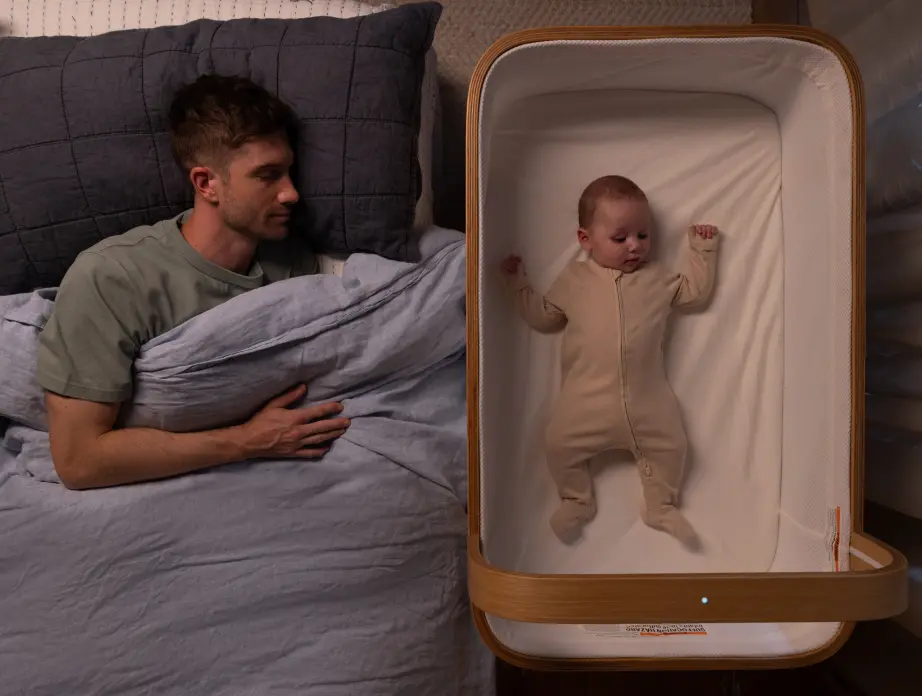

What age can babies safely sleep with a blanket?
Each baby is different and will grow at their own distinct rates. So if you feel that your baby’s coordination and motor skills have developed, it can be an excellent time to introduce a baby blanket (anywhere between 12 to 18 months of your baby’s developmental stage; a bit later is even better).
Developmental signs parents can look for:
- Rolling both ways independently
- Strong head and neck control
- Getting out of bed on their own
- Ability to push objects away from their face
- Confidence changing positions during sleep
- Showing interest in pulling a blanket or towel over themselves
Blindt also advises factoring in your child’s gestational age (aka the date of conception rather than the date they were born) when deciding whether to add a baby blanket or toy to their crib. Premature babies might need to wait longer depending on their ability to move themselves away from potentially harmful items safely.
How to introduce a blanket safely?
Here are a few things to note when you introduce a blanket or stuffed toy/lovey into your baby’s crib:
- Choose lightweight blankets
- Opt for small, breathable blankets such as a muslin blanket or a thin cotton one.
- Keep the blanket low
- Place the blanket below your baby’s chest and tuck the bottom under the mattress if needed.
- Avoid thick bedding
- Heavy quilts, comforters, and weighted blankets should still be avoided.
- Check toys and loveys
- If introducing stuffed toys or a lovey, make sure they do not contain small detachable parts that can pose any choking or suffocation hazard
How do I keep my baby warm at night without a blanket?
Worried about how your baby will feel secure and comfortable without a blanket? There are a few alternatives that you can adopt to keep your baby warm.
Swaddling your baby with a blanket is recommended to calm down a fussy baby. It soothes and gets them to sleep. Swaddling is proven to work best for preemies as well.
“Sleepers, sleep sacks, swaddles, and wearable blankets should be used properly, ensuring that the right size is used and that they are transitioned out of use when the baby becomes mobile. Many parents love these tools because they provide a sense of security to the baby while limiting the excess fabric that might cover the baby’s face,” Blindt says.
You should also dress your baby depending on their sleep environment. Ideally, your baby should have one extra layer of clothing than what you would normally wear to bed. Avoid thick, quilt-like materials, which might lead to overheating.
Did you know?
You can check for the Thermal Overall Grade (TOG) when choosing blankets or swaddle cloths for your baby. TOG is a measurement of how warm the fabric will be for your little one. Ideally, you want to aim for clothes that fall in the 0.5 to one TOG range when dressing them for bedtime.
Safe sleep checklist for babies
If you ever feel unsure about your baby’s sleep setup, this quick checklist can help:
- Place your baby on their back for every sleep.
- Use a firm crib mattress with a fitted sheet only
- Keep the crib free of blankets, pillows, and toys for the first year.
- Use sleep sacks or wearable blankets instead of loose bedding.
- Maintain a comfortable room temperature to avoid overheating.
- Avoid sleep positioners, wedges, or specialty mattresses.
- Hold on to introducing head pillows until your baby transitions from their crib into a bed, which is around three years of age.
- Share a room with your baby for the first 6–12 months, but not the same bed.
- Do not allow your little one to fall asleep on their nursing pillow, as it increases the chances of rolling over onto their side
- Choosing the right crib or bassinet can help support safe sleep from day one. At Cradlewise, we design our smart cribs with the utmost care, keeping in mind the safety standards and your baby’s comfort.
This simple setup significantly reduces the risk of SIDS and sleep-related accidents.
The bottom line
As tempting as it can be to tuck your baby under a soft blanket, safe sleep guidelines by the American Academy of Pediatrics recommend keeping the crib clear during the first year.
The good news is that babies adapt quickly to sleeping in a clear, safe sleep space. And once your little one reaches toddlerhood, there will be plenty of time for cozy blankets, loveys, and bedtime comfort items.
For now, the safest sleep setup is also the simplest one: a firm mattress, a fitted sheet, and your baby sleeping safely on their back.
FAQs
Q: Do babies need blankets to sleep?
A: No, babies do not need blankets to sleep safely. In fact, loose blankets should be avoided during the first year. Sleep sacks, wearable blankets, and appropriate sleep clothing are safer ways to keep your baby warm at night.
Q: When can babies sleep with a blanket?
A: Most pediatric experts recommend waiting until at least 12 to 18 months before introducing a blanket into your baby’s crib. By this age, babies usually have the strength and mobility to move objects away from their face.
Q: Why can't newborns sleep with blankets?
A: Loose blankets can cover a baby’s nose or mouth, increasing the risk of suffocation or SIDS. Young babies do not yet have the coordination to remove items that block their breathing.
Q: What can I use instead of a blanket for my baby?
A: Instead of loose blankets, parents can use sleep sacks, wearable blankets, swaddles, or footed pajamas to keep babies warm safely.
Q: Can a 6 month old sleep with a blanket?
A: No. Even though babies become more mobile around this age, safe sleep guidelines still recommend keeping the crib free of blankets until at least 12 months.
Q: When can babies sleep with stuffed animals?
A: Stuffed animals should also be avoided in the crib during the first year. Most experts recommend introducing them after 12 months, once the risk of suffocation is lower.
Q: How do I keep my baby warm without a blanket?
A: Dress your baby in one additional layer of clothing compared to what you are comfortable wearing, or use a sleep sack with the appropriate TOG rating for your room temperature.
Q: Can toddlers sleep with blankets?
A: Yes. Once your child reaches 12 to 18 months, lightweight blankets can usually be introduced safely, especially when they transition toward toddler bedding.
Q: Is swaddling safer than using a blanket?
A: Swaddling is safer if your baby is not old enough to roll over. Swaddled babies rarely experience SIDS.
Q: Can my baby sleep in my bed?
A: The Sleep Foundation does not recommend bed sharing as it increases the risk of suffocation or injury. Room sharing is recommended instead.
You may also like:
- Why you shouldn’t sleep train before age 1: What science says about your baby’s sleep and brain development
- Toddler sleep training: Is it different from baby sleep training? Yes, and here’s why
- Traveling with a baby: How to overcome sleep regression in unfamiliar settings
Sources:
- Safe sleep practices. 2021. American Academy of Pediatrics. “Risk factor changes for Sudden Infant Death Syndrome after initiation of Back-to-sleep campaign.”
- Blankets and stuffed toys increase risk of SIDS. 2016. American Academy of Pediatrics. “SIDS and other sleep-related infant deaths: Updated 2016 recommendations for a safe infant sleeping environment.”
- Safe cribs Act in 2021. 2021. Congress. “Safe Cribs Act.”
- Swaddling is an effective method to put a baby down to sleep. 2007. PubMed. “Swaddling: a systematic review.”
- Thermal Overall Grade (TOG) for baby clothes. 2006. Research Gate. “Thermal resistance (tog value) of clothing and bedding typically used.”
- Avoid using crib wedges and positioners. 2019. American Academy of Pediatrics. “Sleep-related infant suffocation deaths attribute to soft bedding, overlay, and wedging.”
- Follow the CPSC standards when purchasing a crib or mattress. 2011. Consumer Product Safety Commission. “Retailers required to sell only cribs that meet CPSC’s new crib standards.”
- When can babies use blankets? 2023. Sleep Foundation. When can your baby sleep with a blanket?
You may also like


